

Struggling to build machine learning models quickly while keeping costs low and accuracy high? You’re not alone. As a Head of Data Science or ML Engineering Manager, you face the challenge of balancing tight project timelines, limited budgets, and the need for top-notch model performance. Here’s the deal: artificial intelligence is transforming the machine learning (ML) lifecycle, making it easier, faster, and more cost-effective. This article explores seven powerful benefits of AI in ML development that can solve these pain points and help your team shine in 2025.
What Is AI in ML Development?
AI in ML development means using artificial intelligence tools to improve how we build, train, and deploy machine learning models. Think of AI as a super-smart assistant that automates tricky tasks, like picking the best model design or spotting errors in data. This makes the ML process smoother and faster, helping teams create better models with less effort.
7 Benefits of AI in ML Development
1. Faster Model Training
AI-powered tools can make model training lightning-fast. They do this by automating tasks like hyperparameter tuning, which is like finding the perfect recipe for your favorite dish. Instead of trying every combination by hand, AI tests thousands of options quickly.
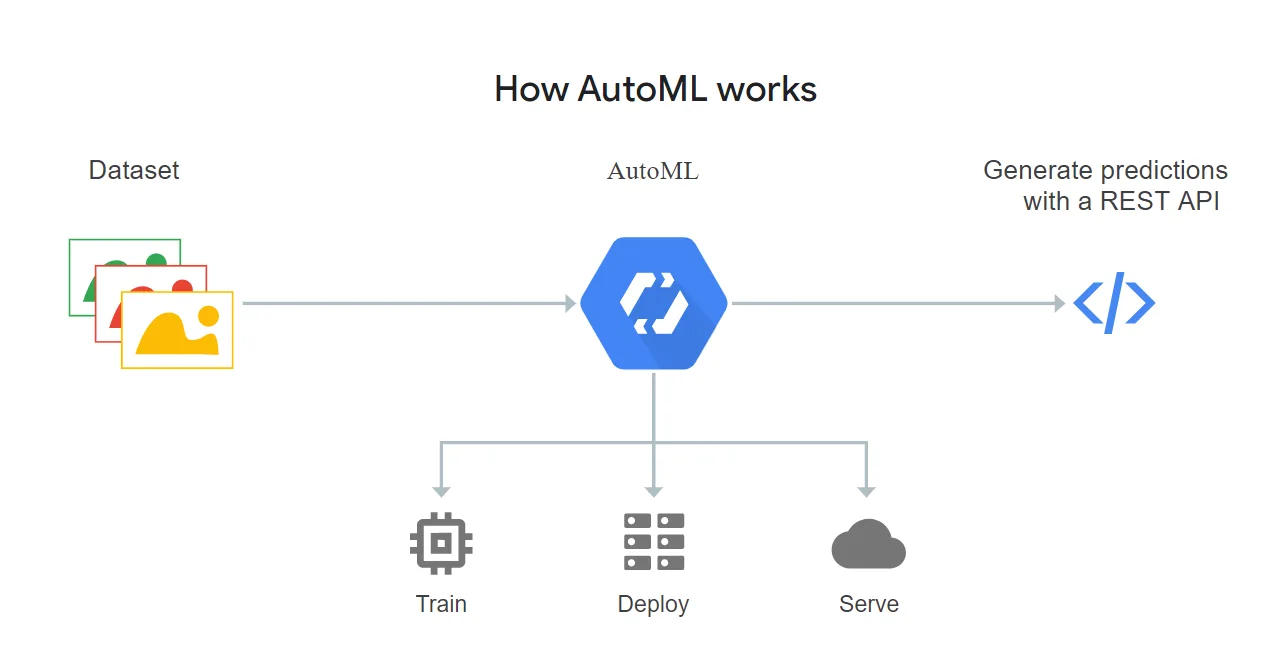
Real-World Example: Google’s AutoML can train a model in hours instead of weeks by automatically selecting the best algorithms for image recognition tasks, like identifying animals in photos.
“AI-driven automation in model training can reduce development time by up to 80%, allowing teams to focus on innovation.” — Gartner, 2024 MLOps Trends Report
2. Improved Model Accuracy
AI helps create models that make better predictions. Tools like AutoML test thousands of model designs to find the one that works best, kind of like trying on different outfits to see which looks perfect.
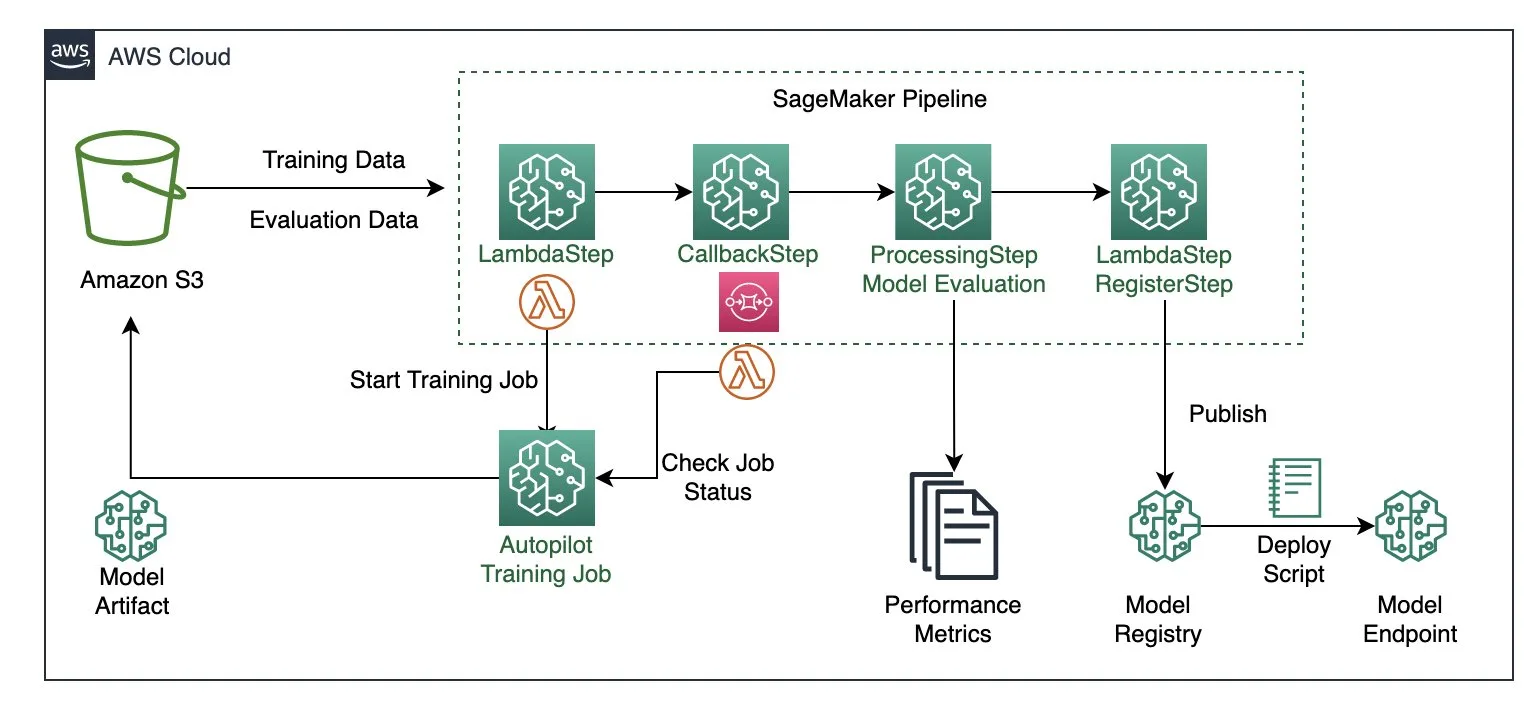
Real-World Example: A retail company used Amazon SageMaker’s AutoML to test 10,000 model architectures for predicting customer purchases, boosting accuracy by 15% compared to manual methods.
“AI’s ability to optimize model architectures is a game-changer for achieving higher accuracy with less trial and error.” — Dr. Fei-Fei Li, Stanford AI Lab
3. Cost-Effective Model Training
Training ML models can be expensive because it needs powerful computers. AI makes this cheaper by finding the most efficient way to train models, saving money on cloud computing costs.
Real-World Example: A startup used Microsoft Azure’s AI tools to optimize training for a fraud detection model, cutting cloud costs by 40% while maintaining performance.
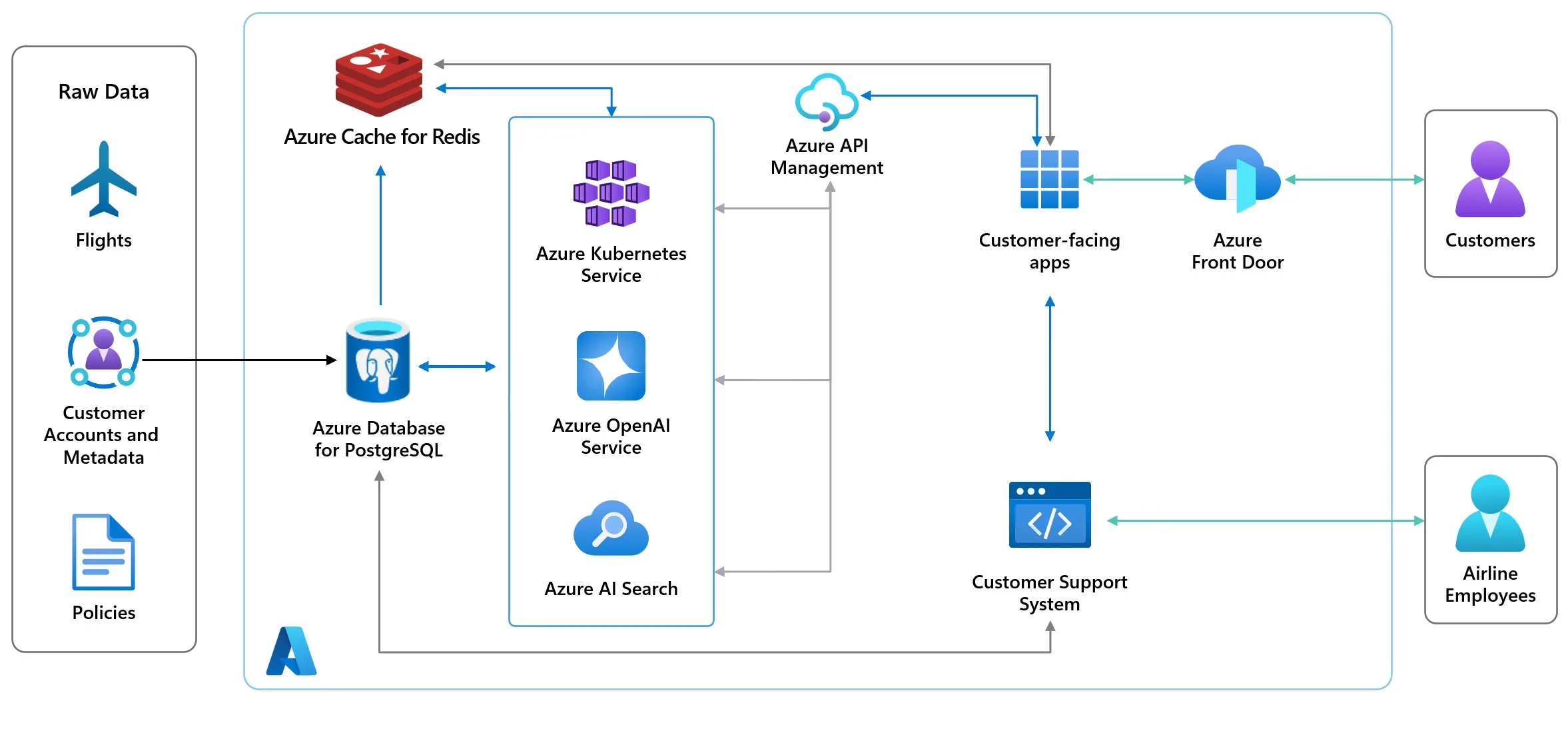
“AI-driven optimization can lower computational costs by 30-50%, making ML accessible to smaller organizations.” — McKinsey, 2025 AI in Business Report
4. Enhanced ML Engineer Productivity
AI takes over boring, repetitive tasks like data cleaning or code debugging. This lets ML engineers focus on creative work, like designing new models, boosting their productivity.
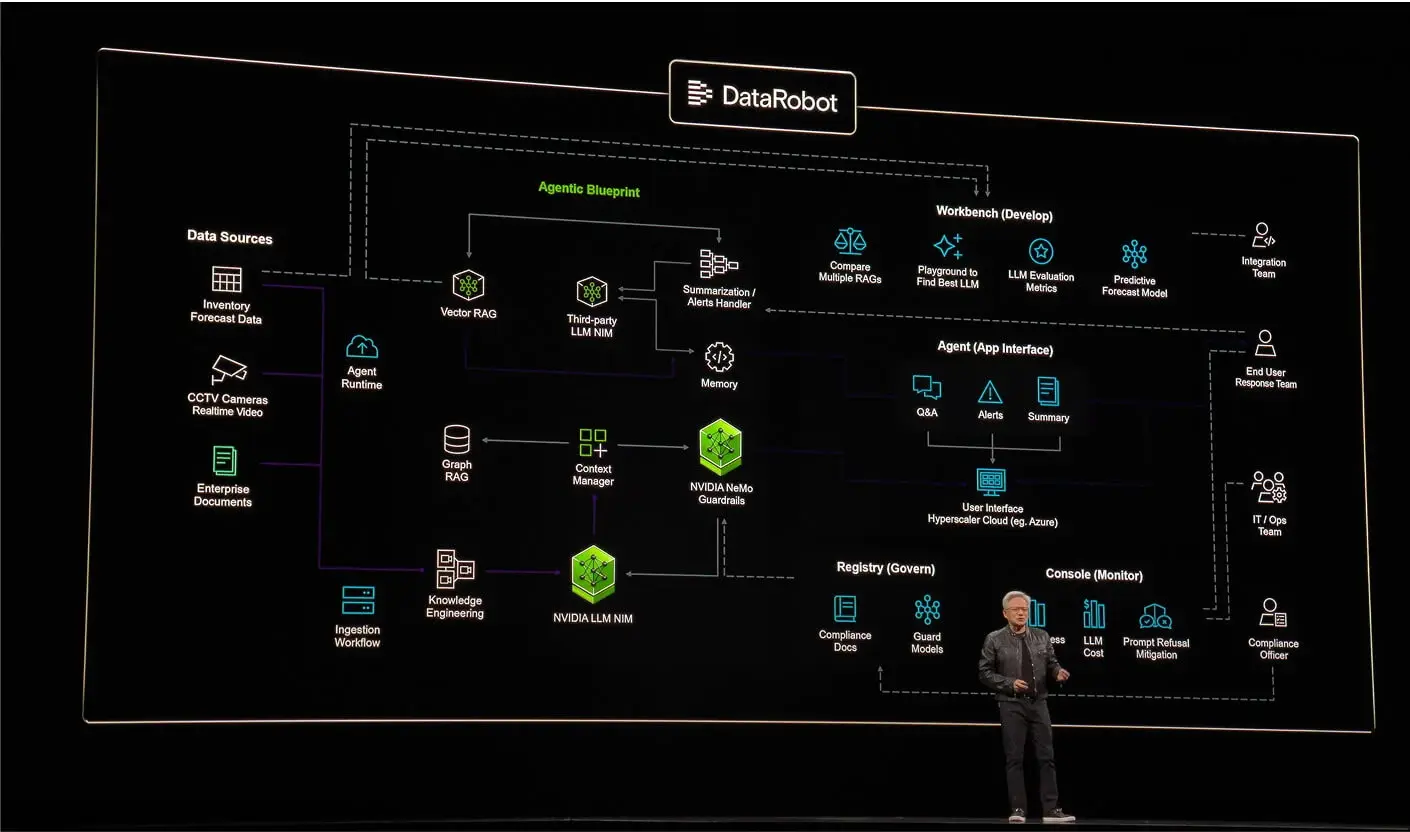
Real-World Example: DataRobot’s AI platform automates data preprocessing, letting engineers at a healthcare firm focus on building a model to predict patient outcomes, saving 20 hours per week.
“By automating routine tasks, AI frees up engineers to tackle high-value problems.” — Andrew Ng, AI Pioneer
5. Faster Time-to-Market
AI speeds up the entire ML lifecycle, from data prep to deployment. This means your team can launch models faster, giving your company a competitive edge.
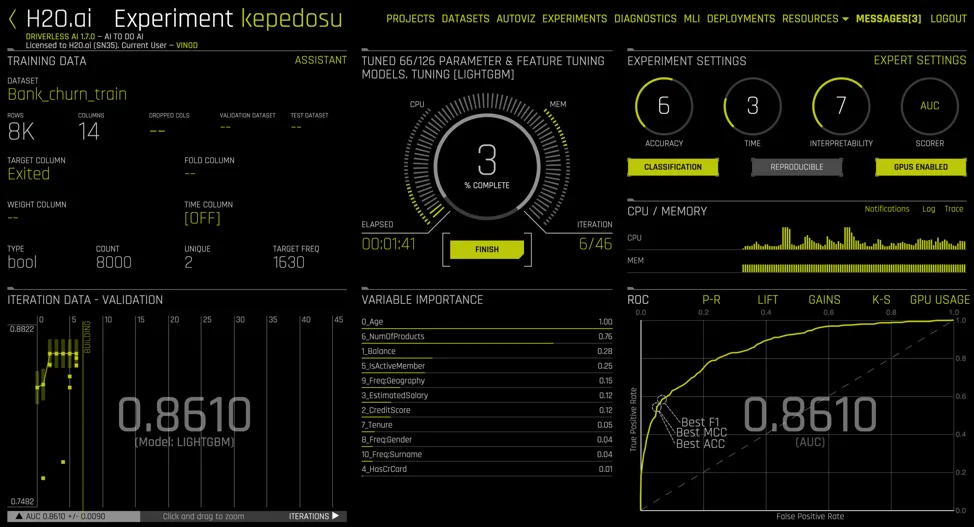
Real-World Example: A finance company used H2O.ai to automate model development, launching a credit risk model in two weeks instead of two months.
6. Streamlined MLOps Efficiency
MLOps is about managing the ML lifecycle smoothly. AI tools monitor models in real-time, catching issues like performance drops and fixing them automatically, like a car’s self-diagnostic system.
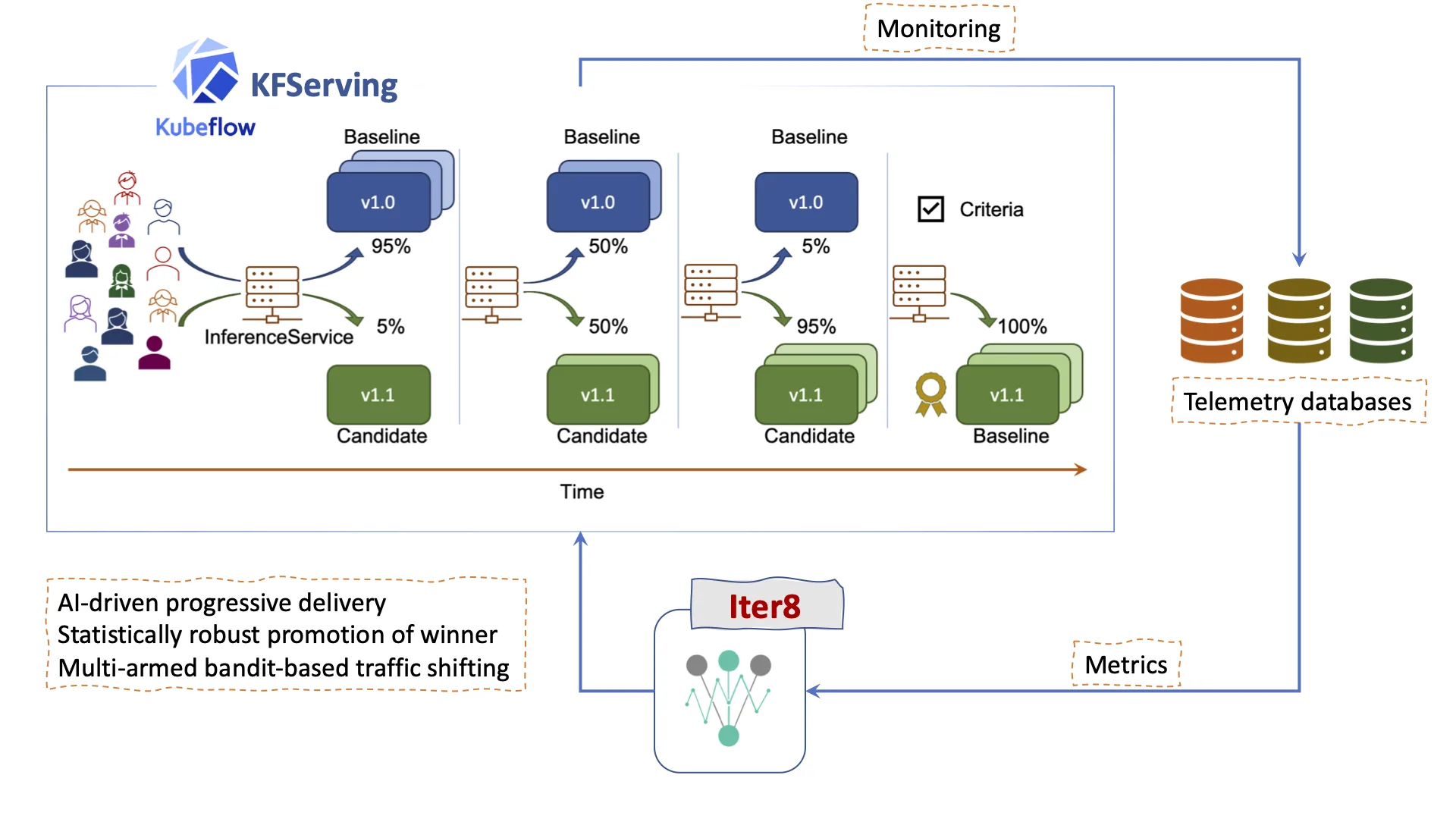
Real-World Example: Kubeflow’s AI-driven monitoring caught a performance dip in a logistics company’s delivery prediction model, fixing it before customers noticed.
“AI enhances MLOps by providing real-time insights and automation, reducing downtime significantly.” — MIT Technology Review, 2025
7. Better Data Science Collaboration
AI tools make it easier for data scientists and engineers to work together. They provide clear reports and visualizations, like a shared playbook everyone can understand.
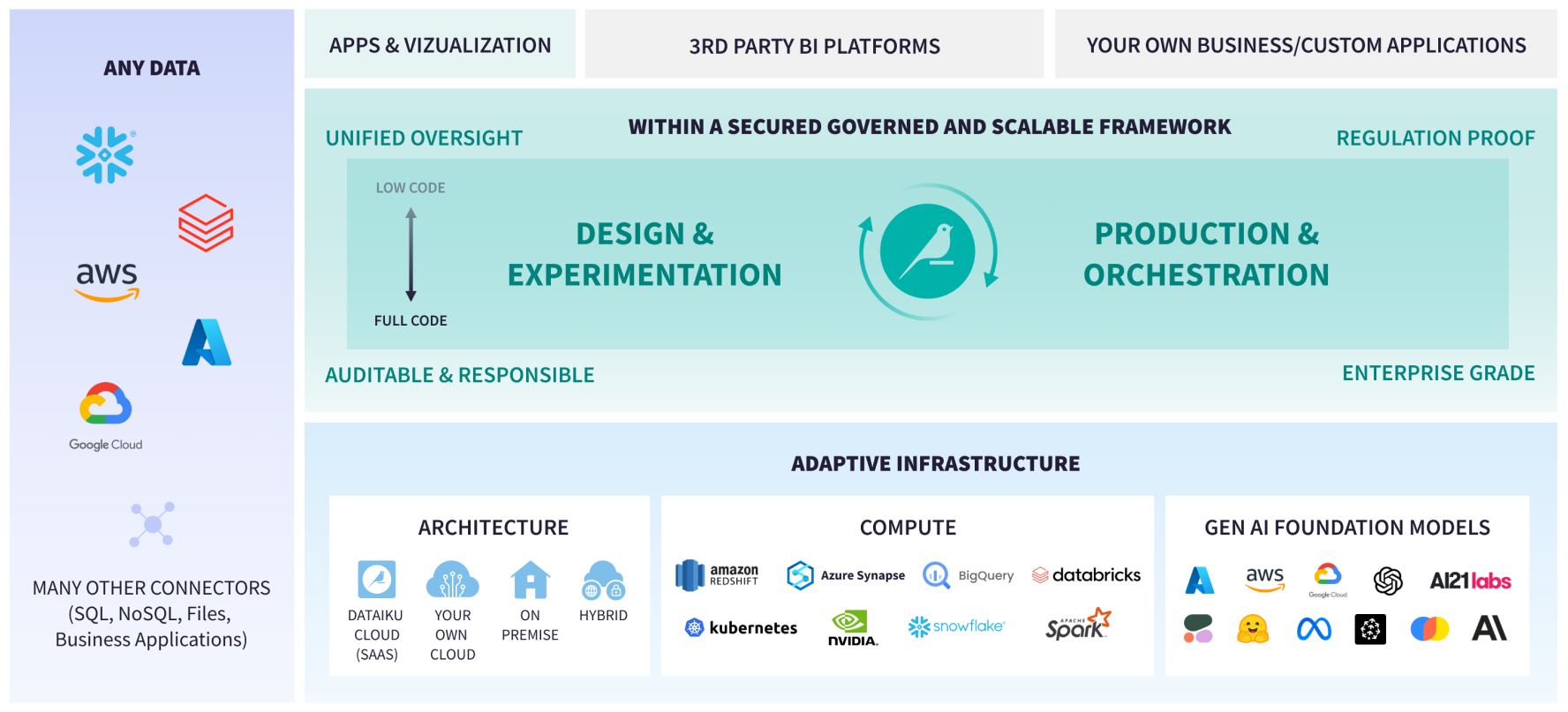
Real-World Example: A marketing firm used Dataiku’s AI platform to create dashboards that helped data scientists and business teams align on a customer segmentation model, improving campaign results by 25%.
Choosing the Right AI Tool for ML Development
| Tool Name | Key Feature | Best For | Price (2025) | ROI | Cons/Issues |
|---|---|---|---|---|---|
| Google AutoML | Automated model selection | Beginners, image tasks | $20-$200/hr | High, fast training | Limited customization |
| Amazon SageMaker | End-to-end ML pipeline | Large-scale projects | $0.10-$10/hr | High, scalable | Complex setup for new users |
| Microsoft Azure | Cost optimization | Budget-conscious teams | $0.50-$5/hr | High, cost savings | Steep learning curve |
| DataRobot | Data preprocessing automation | Small teams, productivity | $500-$2000/mo | High, time savings | Expensive for startups |
| H2O.ai | Fast model deployment | Rapid prototyping | Free-$5000/mo | High, quick market entry | Limited advanced features |
How to Start Using AI in Your ML Projects
- Pick an AI Tool: Choose a tool like Google AutoML or Amazon SageMaker based on your team’s needs and budget.
- Prepare Your Data: Use AI to clean and preprocess data. For example, DataRobot can automatically fix missing values.
- Train Your Model: Let the AI tool select and tune the model. Try a prompt like, “Train a model to predict customer churn with 95% accuracy.”
- Monitor Performance: Use AI-driven MLOps tools like Kubeflow to track your model’s performance in real-time.
- Deploy and Test: Launch your model and use AI to optimize its performance in production.
Using AI with Python for Model Training
Here’s a simple Python script using scikit-learn’s AI-driven GridSearchCV to automate hyperparameter tuning:
from sklearn.ensemble import RandomForestClassifier from sklearn.model_selection import GridSearchCV from sklearn.datasets import load_iris
Load sample data
data = load_iris() X, y = data.data, data.t
Define model and parameters
model = RandomForestClassifier() param_grid = {‘n_estimators’: [50, 100, 200], ‘max_depth’: [None, 10, 20]}
Use AI-driven grid search
grid_search = GridSearchCV(model, param_grid, cv=5) grid_search.fit(X, y)
Print best parameters
print(“Best parameters:”, grid_search.best_params_)
This code automatically tests different settings to find the best model configuration, saving you time.
Chart: Impact of AI on ML Development Time
Below is a bar chart showing how AI reduces development time across ML lifecycle stages.
Looking Ahead: Why AI Is the Future of ML Development
AI is revolutionizing the ML lifecycle by making it faster, cheaper, and more accurate. By automating tasks, optimizing resources, and improving collaboration, AI tools like AutoML and SageMaker empower teams to deliver better models in less time. To stay competitive in 2025, adopting AI in your ML workflow is a must. Download our “Is Your Team Ready to Realize These AI Benefits?” checklist to assess your readiness and start transforming your ML projects today.
Frequently Asked Questions (FAQs)
How does AI improve MLOps efficiency?
AI automates monitoring and optimization, catching issues like model drift in real-time, ensuring smooth operations.
Can AI in ML development save money?
Yes, AI optimizes resource use, like reducing cloud computing costs by up to 50%, as seen in tools like Azure.
What’s the best AI tool for beginners in ML?
Google AutoML is great for beginners due to its easy interface and automated model selection.
How does AI enhance model accuracy?
AI tests thousands of model designs to find the best one, improving predictions, like in Amazon SageMaker’s case.