
Struggling to keep your engineering projects on time, within budget, and at top quality? You’re not alone. Many project managers and engineering firms face the same challenge. Here’s the deal: Artificial Intelligence (AI) is changing the game. By using AI, you can make projects faster, cheaper, and safer. This article breaks down the 7 transformative benefits of AI in engineering to help you solve these pain points.
What Is AI in Engineering?
AI in engineering means using smart computer systems to help design, plan, and manage projects. Think of AI as a super-smart assistant that can analyze tons of data, spot patterns, and make decisions faster than humans. For example, AI can predict how a bridge design will hold up under stress or flag safety issues on a construction site.
Benefits of AI in Engineering
1. Faster Project Timelines with AI
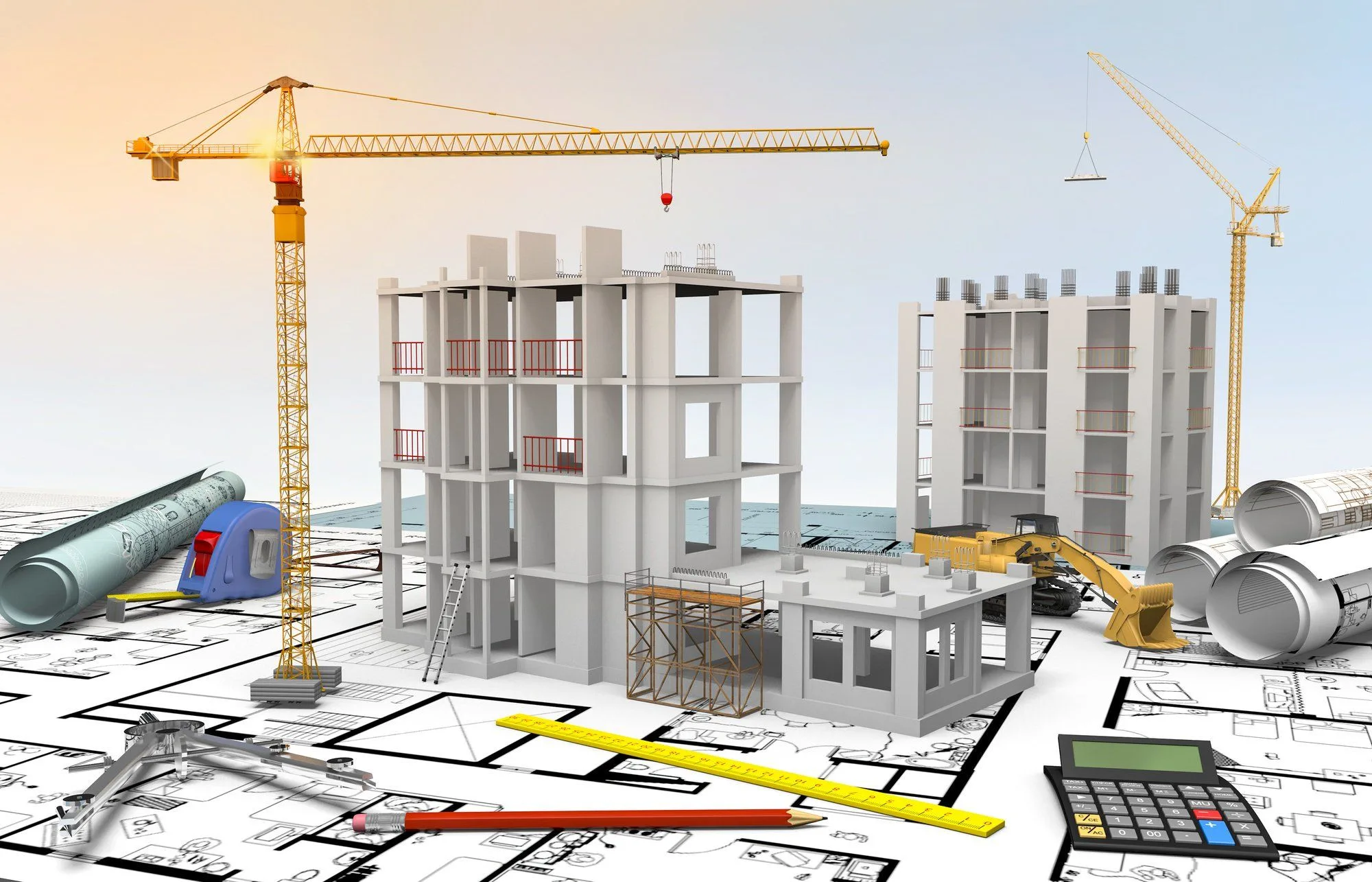
AI helps you finish projects quicker by automating repetitive tasks. For instance, AI tools can analyze blueprints in seconds, spotting errors that might take humans hours. This speed means you meet deadlines without rushing.
“AI can reduce design review times by up to 30%, allowing teams to focus on innovation.” – McKinsey & Company, 2024 Report on AEC Technology.
Example: A civil engineering firm used AI software to review 500 pages of structural plans in 10 minutes, catching 15 errors that would’ve delayed construction by weeks.
2. Cost-Effective Engineering with AI
AI cuts costs by finding smarter ways to use resources. It can optimize material usage or predict equipment maintenance needs before breakdowns happen. This means fewer surprises and lower budgets.
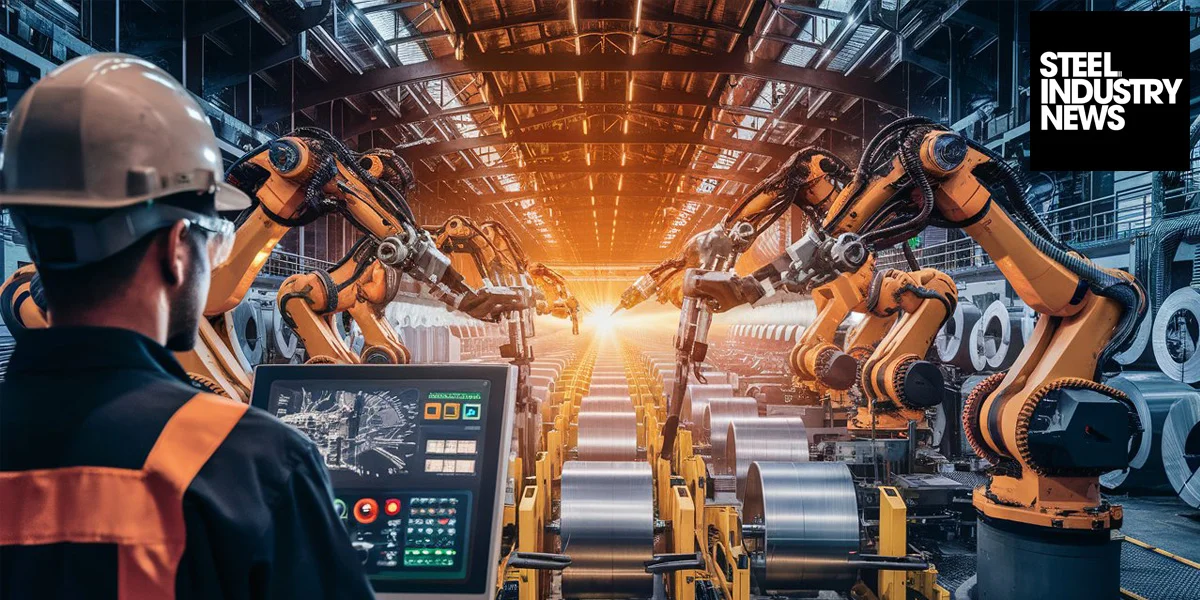
Example: A manufacturing plant used an AI system to optimize steel usage in a factory build, saving $200,000 in material costs.
3. Improved Design Quality Through AI
AI improves designs by testing thousands of options quickly. It’s like having a master designer who can try every possibility. AI can suggest stronger, lighter, or cheaper designs based on data.
“AI-driven design tools can improve structural efficiency by 20% compared to traditional methods.” – American Society of Civil Engineers, 2025 Journal.
Example: An architectural firm used AI to design a skyscraper, testing 10,000 configurations to find one that used 15% less concrete while staying stronger.

4. Enhanced Safety in Engineering Projects
AI makes job sites safer by spotting risks humans might miss. Think of AI as a watchful guard. It can use cameras to monitor sites and warn about dangers like missing safety gear or unsafe equipment use.
Example: On a construction site, an AI vision system flagged workers not wearing helmets, reducing accident risks by 25% in six months.
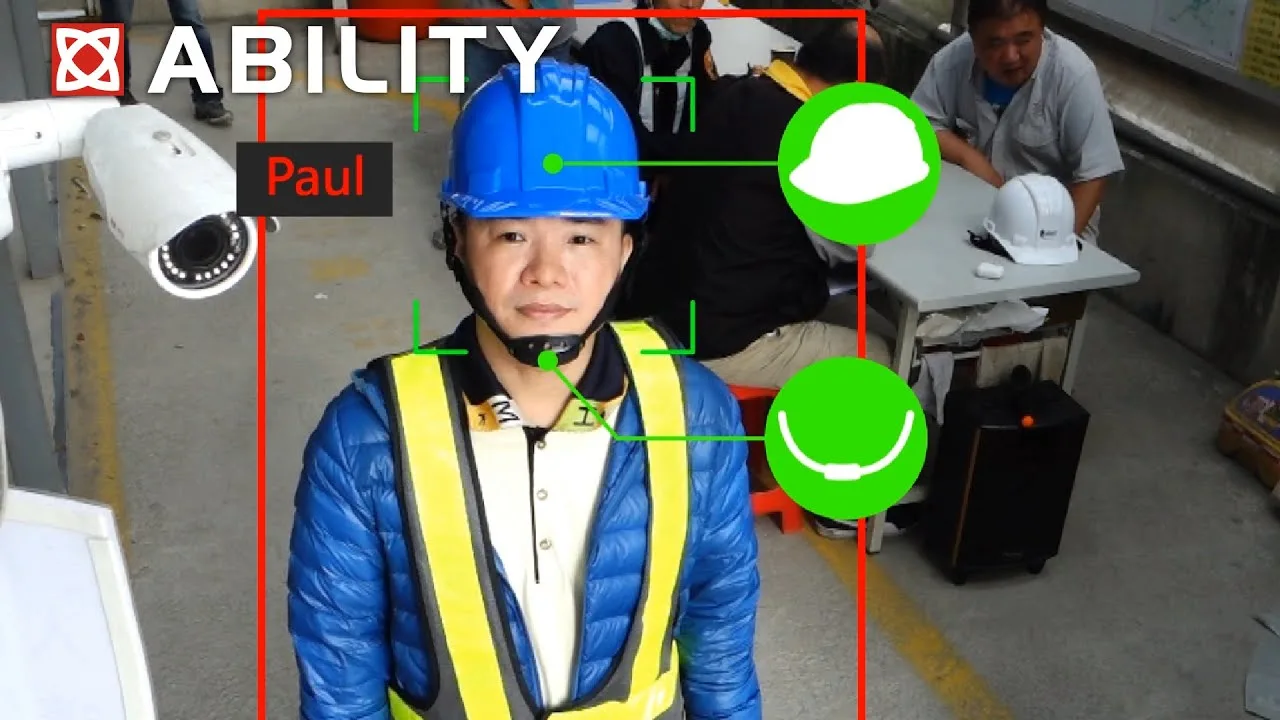
“AI-powered safety systems are reducing workplace incidents by up to 40% in high-risk industries.” – National Safety Council, 2025 Report.
5. Better Project Planning and Management
AI helps plan projects by predicting delays or budget overruns. It’s like a crystal ball for project managers, analyzing weather, labor, and supply chain data to keep things on track.
Example: A highway project used AI to predict a two-week delay due to weather, allowing the team to adjust schedules and avoid $500,000 in penalties.

6. Streamlined Collaboration Across Teams
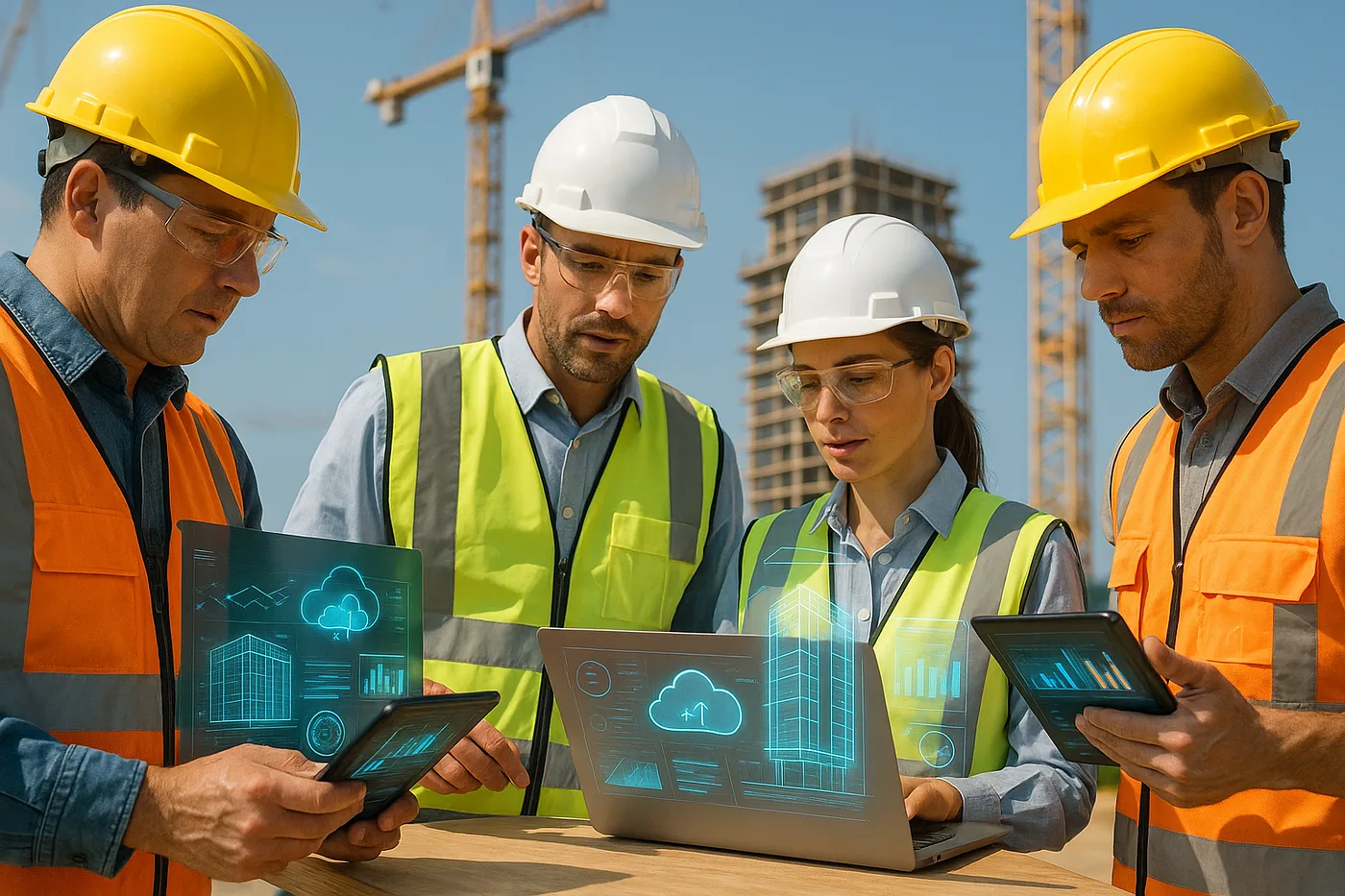
AI tools make it easier for teams to work together. They can share real-time updates and flag issues instantly. Imagine AI as a super-efficient team coordinator, keeping everyone on the same page.
Example: An engineering firm used an AI platform to share 3D models with contractors, cutting miscommunication errors by 30%.
7. Sustainable Engineering with AI
AI helps create eco-friendly projects by optimizing energy use and reducing waste. It’s like having a green consultant who knows exactly how to save resources.
Example: A city planner used AI to design a building that used 20% less energy by optimizing window placement and insulation.
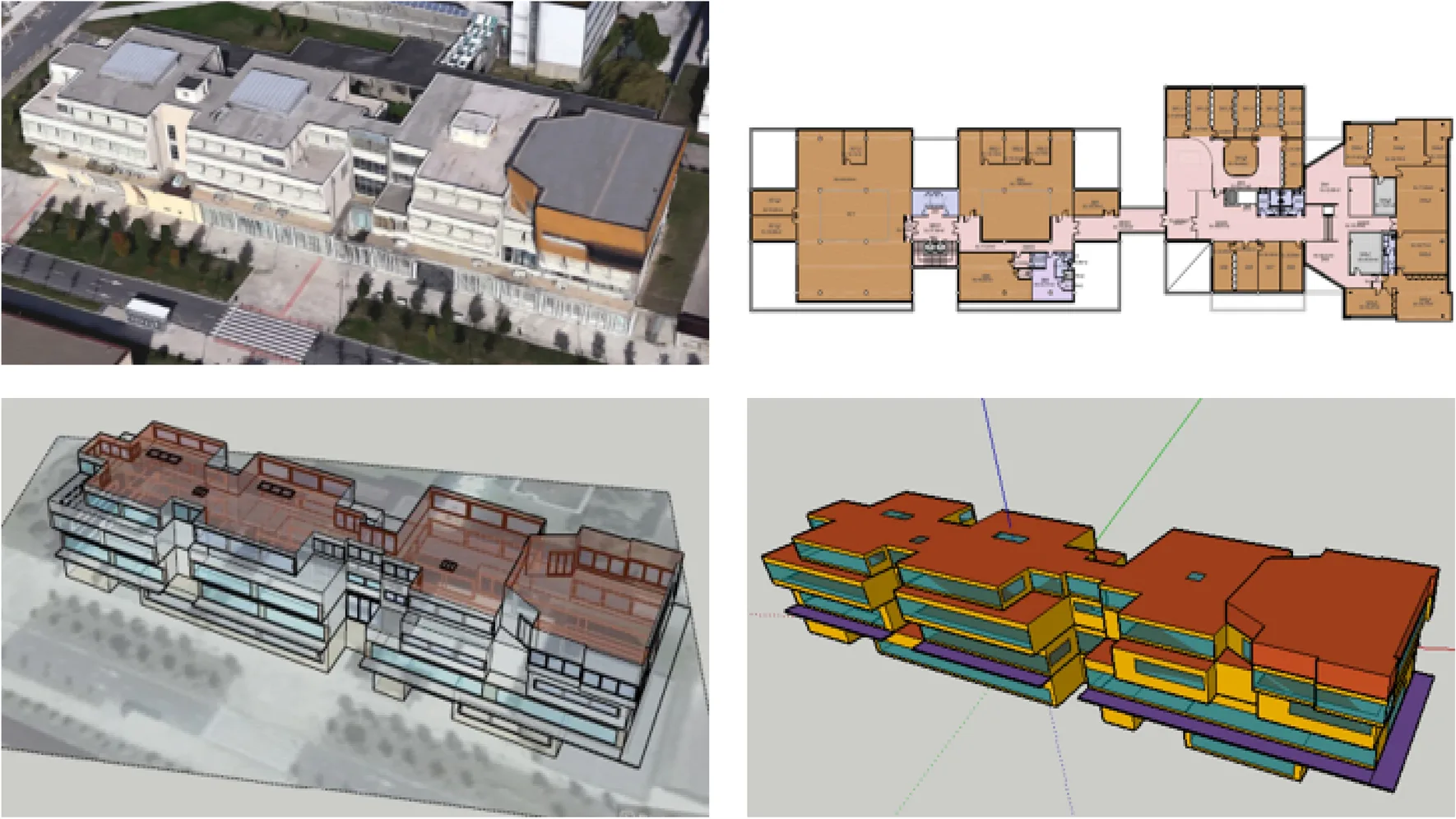
AI can reduce a project’s carbon footprint by 15-25% through smarter resource management.” – Engineering News-Record, 2025 Study.
Choosing the Right AI Tool for Engineering
| Tool Name | Key Feature | Best For | Price | ROI | Cons/Issues |
|---|---|---|---|---|---|
| Autodesk AI | Design optimization | Architects | $200/mo | High: Saves material costs | Steep learning curve |
| Bentley Systems | Project planning | Civil engineers | $150/mo | Medium: Predicts delays | Limited integrations |
| SafeSite AI | Safety monitoring | Construction | $100/mo | High: Reduces accidents | Requires cameras |
| PlanGrid AI | Team collaboration | Managers | $50/mo | Medium: Improves communication | Basic features in free plan |
| GreenAI Suite | Sustainability | Planners | $120/mo | High: Cuts energy costs | Needs training |
How to Start Using AI in Your Engineering Projects
Here’s a simple guide to bring AI engineering advantages to your firm:
- Identify Needs: Pinpoint where AI can help, like design or safety.
- Choose a Tool: Pick one from the table above based on your budget and goals.
- Train Your Team: Spend a week learning the tool with online tutorials.
- Test Small: Try AI on a small project to see results.
- Scale Up: Roll it out to bigger projects once you’re confident.
AI Impact on Engineering Project Metrics
Below is a bar chart showing how AI improves key project metrics, based on 2025 industry data.
Looking Ahead: Why AI Is the Future of Engineering
So, what’s the bottom line? AI brings faster project timelines, cost-effective engineering, and improved design quality while making projects safer and greener. By adopting AI now, your firm can stay ahead of the curve. Download our “Is Your Firm Ready to Realize These Benefits?” checklist to assess your readiness and start transforming your projects today.
Frequently Asked Questions (FAQs)
How does AI improve project efficiency?
AI automates tasks like design reviews and predicts issues, saving time and effort. For example, it can analyze schedules to avoid delays.
What are the cost benefits of AI in engineering?
AI reduces material waste and prevents costly errors. A firm saved $200,000 by optimizing steel use with AI.
Can AI really enhance safety in engineering?
Yes! AI vision systems monitor sites and flag risks, like workers without safety gear, cutting accidents significantly.
How do I know if my firm is ready for AI?
Use our downloadable checklist to assess your team’s skills, budget, and project needs for AI adoption.
Where can I learn more about AI tools for engineering?
Check out our post, “Top 10 AI Tools for Engineering Success in 2025” on aitooljournal.com for more insights.